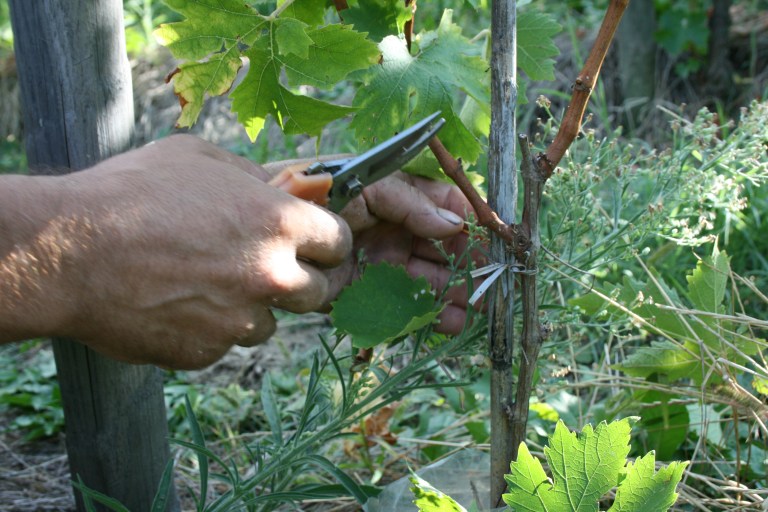
I have been conducting ethnographic research since 2009, including decolonizing marine ecosystem management in Papua New Guinea, locating value in organic viticulture in Northern California, and examining communities forged by urban market vendors in Italy. While the topical focus of these projects varies widely, all explore the relationships forged between people and their social / natural environments through the production and consumption of food. For more details, please see my publications at Academia.edu.
My PhD dissertation, Bottling the Past, Planting the Future: Immigrants in Italian wine production, takes up the tropes associated with wine—heritage, terroir, and rootedness—and analyzes how contemporary wine producers enact these forms of value through their partnerships with immigrants and their adaptations to a shifting global market. What makes here meaningful and profitable for a wine growing community is continually remade via relationships with elsewhere. Fusing ethnographic and historical research, I show how the human labor that winemaking requires produces both distinctive landscapes and forms of personhood for Italians and immigrants alike.
As winegrowers face consolidation by corporate giants and the pressures of state and E.U. regulation, they find limited protection in Geographic Indication labels or UNESCO heritage status. Instead, these communities survive by deploying discourses of tradition to naturalize the critical roles played by Balkan workers, actors who sustain local ways of doing, knowing, and living that young Italians shun. The book project resulting from this research positions food studies at the center of debates reshaping Europe today by examining the production of autochthony and value—for people as well as products—as multi-sited and mutually constitutive, a set of relations that offers a more dynamic space for imagining potential futures.
My next project examines how winegrowing communities in Italy and California are adapting to the pressures and challenges of climate change as part of an increasingly global conversation among farmers and producers. For producers working within a market organized by Geographic Indication labeling regimes, climate change demands a restructuring of regulations and forms of value as historic growing regions become untenable for the grapes to which they are legally bound.
 Rebecca M. Feinberg